
Why Electrical Inspections reduce the risk factor
Categories
Why Electrical Inspections?
Across the world, electrical fires are a significant problem, and Australia is no exception. The risk of electrical fires continues due to its unique climate conditions, widespread use of electricity appliances and ageing infrastructure in certain areas. However, regular electrical inspections of the electricity supply are one effective preventive measure that can substantially reduce this risk. This article will examine the importance of these electrical inspections in preventing fires.

Electrical Inspections: Taking stock of risk factors
Australia’s dependence on electricity for residential and commercial use is undeniable, a trend mirrored in most developed nations. Electricity is an integral part of daily life, powering homes and factories. However, with increased usage comes increased risk, particularly regarding the crucial task of maintaining electrical systems.
In Australia, there are several factors contributing to the risk of an electrical fire:
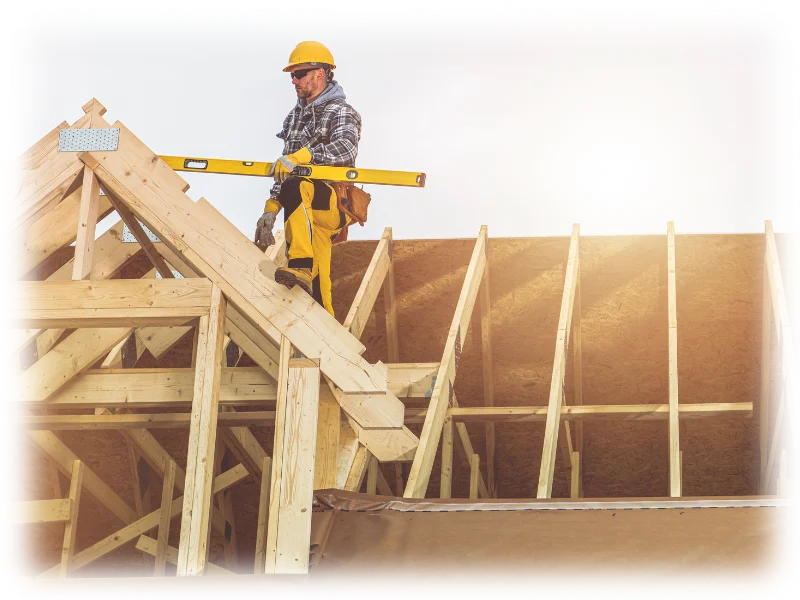
Homes made out of Timber and Electrical Fire Risk: Timber continues to rule the roost regarding home construction in Australia. Thanks to its versatility, sustainability, and aesthetic appeal. However, this preference for timber in residential buildings presents unique challenges, particularly regarding fire safety. The risk of fire incidents, especially with electrical installations, is heightened due to the widespread use of timber in Australia’s dwellings. Timber is inherently combustible, and the risk of ignition and rapid-fire spread increases in the event of an electrical fault or overload. Therefore, ensuring the installation and maintenance of high safety standards for electric systems in timber buildings is crucial.
Outdated Infrastructure: Electrical systems that may be outdated or need to be replaced are present in many buildings, particularly older ones. The safety of these systems can be compromised due to wear and tear over time, which increases the risk of malfunction or failure that could lead to a fire.
High Use of Electrical Appliances: This risk is exacerbated by the widespread use of electric appliances in homes and businesses. If not addressed immediately, fires may arise due to faults in the electrical systems, circuits overloading or incorrect appliance installation.
Tough Weather Conditions: Australia is experiencing extreme weather events, from hot temperatures to severe rains and storms. These conditions may cause electrical systems to become more strained, leading to overheating, corrosion and other issues that can lead to fires.
Given these factors, it is clear that risk mitigation measures are needed to mitigate the risks associated with electricity fires. Regular inspections of electrical equipment are one such measure.
Why Regular Electrical Inspections are a necessity
Regular equipment inspection is a crucial line of defence for electrical fires. It is because of this that they are so important:
- Recognising probable hazards: qualified electricians may conduct thorough inspections of electrical systems and identify possible risks, such as broken wires, overloaded circuits or outdated parts. They can be dealt with before they lead to significant safety risks by catching them earlier.
- Adhere to regulations: Electrical safety, particularly in residential and commercial buildings, is subject to strict regulations in Australia. Periodic inspections are instrumental in ensuring compliance with these regulations and reducing the risk of fines and penalties while protecting occupants from hazards.
- Sustain the value of the property: Regular electrical inspections are an essential part of the maintenance of homes and apartments for owners and managers. The risk of fire is reduced, and the value is maintained over time by a property with an efficient electricity system, which ensures peace of mind for its tenants and investors.
- Assurance: Periodic electrical inspections are by far the best way to ensure peace of mind for occupants. It reassures them that their safety has been given the highest priority, as professionals have thoroughly checked all of their electrical systems.
Regular electrical inspections are essential to identify and address potential hazards to prevent electrical fires. To conduct efficient electrical inspections, please refer to these points:
Schedule Periodic Electrical Inspections: Based on the size and age of the building, as well as the type of electrical system it has been fitted with, a schedule shall be drawn up for regular electrical inspections. Usually, an authorised electrician will carry out inspections every year.
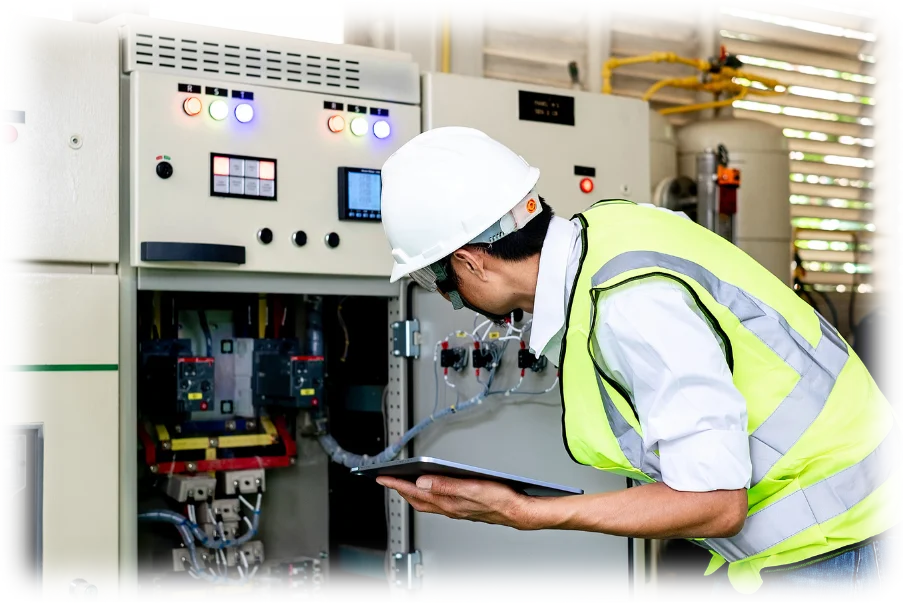
Inspect Outlets and Switches: Check each electrical outlet and switch to ensure they work correctly. Check for signs of overheating, such as discolouration or a burning smell, which may indicate an underlying problem with the wires or connections.
Inspect Wiring and Connections: The electrical wiring should be checked for signs of wear, damage, or deterioration. Due to the increased risk of electrical fault and fire, attention should be paid to exposed wires, damaged insulation or weak connections.
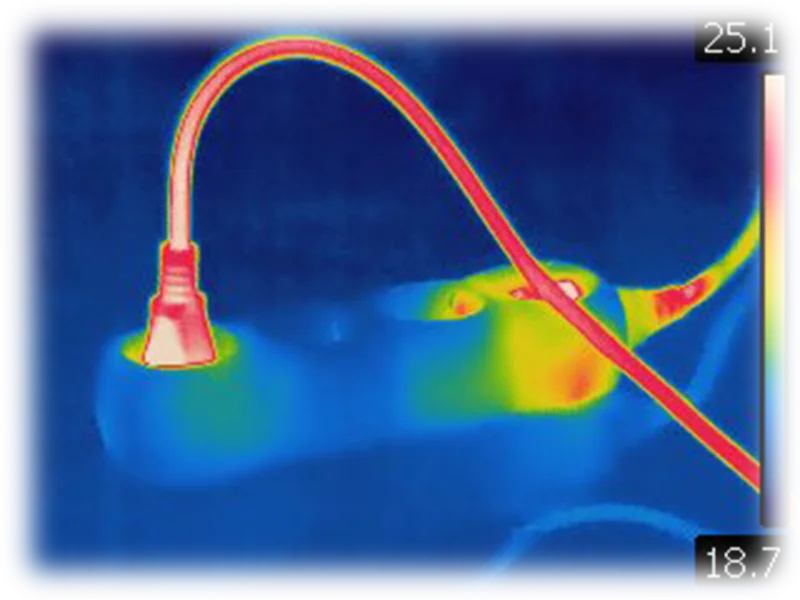
Probe for damage, corrosion or overheating signs in circuit breakers and electrical panels: Ensure that circuit breakers are made to match the circuits protected by them, and they are labelled accordingly. Check to see if the electrician uses thermal imaging for inspections. A thermal imaging camera provides information that would otherwise be impossible to see with the naked eye.
Check Lighting Fixtures: Verify that all lighting fixtures are correctly installed and securely mounted. Replace any damaged or exposed wire in the light fittings to reduce the risk of short circuits and electrical fires.
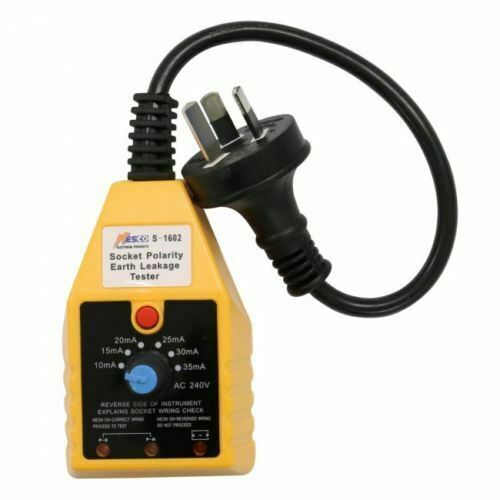
Confirm that the residual current devices are working properly: Test RCD outlets and breakers to see if they work correctly. RCDs detect ground faults and leakage currents to prevent electrical shocks and fires and quickly shut down electricity.
Double Check Surge Protection: Ensure surge protection devices (SPDs) are installed and operable, particularly in locations prone to power surges or lightning strikes. SPDs are designed to protect equipment and appliances from damage caused by spikes in voltage. Although SPDs are not mandatory in most Australian homes, it is best to consult an electrician if your area requires them. Suppose you’re living in a place with a lot of lightning.
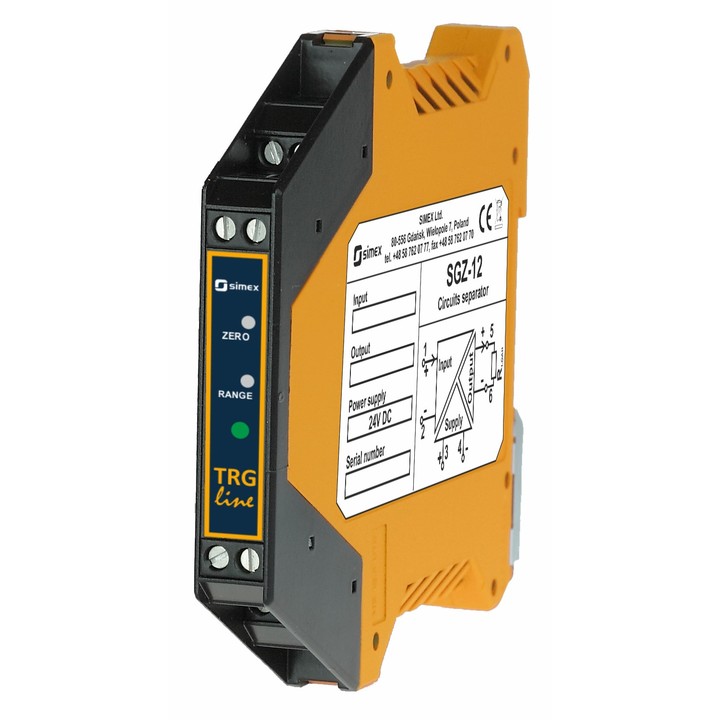
Inspect Appliances and Equipment: Inspect electrical appliances for wear, damage, or failure indicators. Ensure that power lines are in good condition and the appliances are not overheated or overloaded during use.
Test smoke alarms: Test smoke alarms to ensure they work correctly and have an adequate power supply. If necessary, the batteries should be replaced, and smoke detectors installed in critical areas of the premises.
Record findings and recommendations: Keep detailed records of the inspection results, including any identified hazards or deficiencies and recommended corrective actions. This information can be used to prioritise maintenance activities and monitor the effectiveness of prevention measures over time.
Property owners can proactively detect and deal with possible dangers to prevent electric fires and ensure the safety of occupants and assets by following these guidelines and periodic inspections of electricity installations. In addition, the consultation of a qualified electrician can provide invaluable expertise and help implement preventive measures that align with the facility’s particular needs. Additionally, customers can participate in a free Electrical hazard awareness training program at AUSINET.
In Australia, the threat of electrical fires is a serious concern as many homes are built from sticks. It can be effectively managed through proactive measures such as regular electrical inspections and through compliant electricians from reputable companies. Inspections play a vital role in fire prevention efforts across the country by identifying potential hazards, ensuring compliance with regulations, maintaining property value, and providing peace of mind. Investing in regular inspections is not just a matter of compliance; it’s a commitment to safety and security for all Australians.